
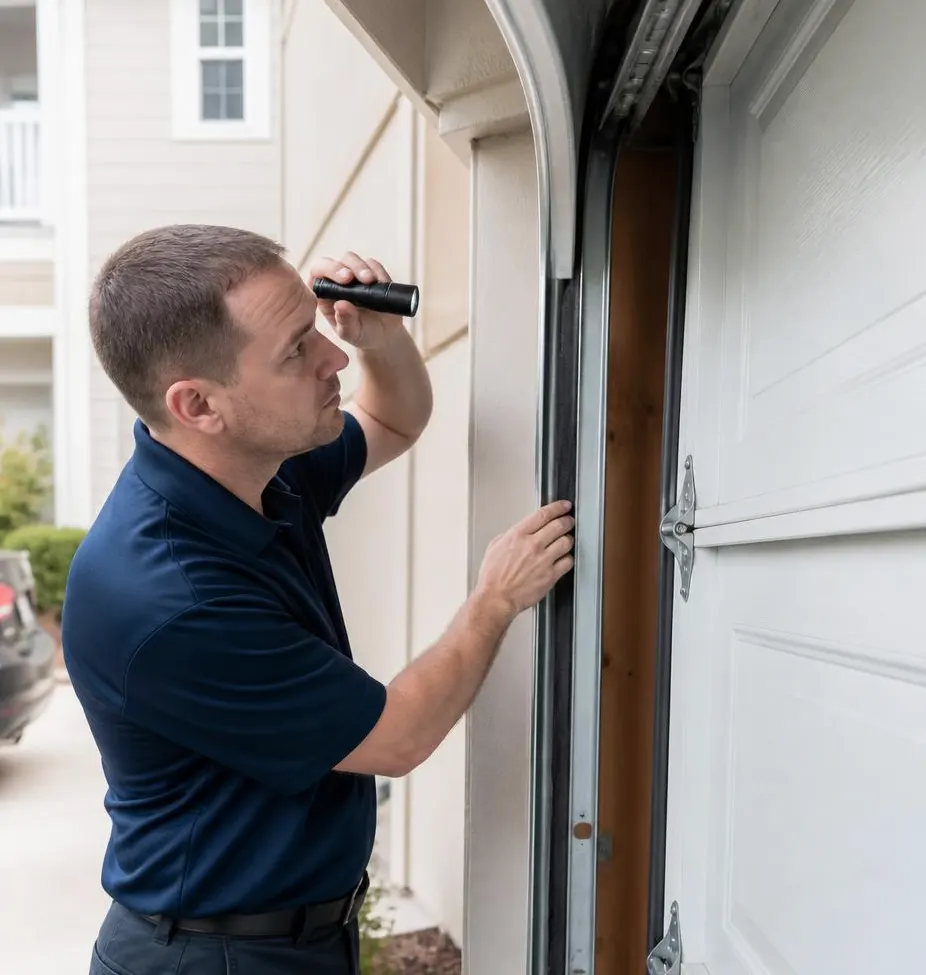
Rule of thumb: if the garage door stays in the opening, it still has to function like a garage door—insulated, sealed, and properly balanced—even if a car never touches that space again. The exception is a full conversion where a licensed contractor removes the door entirely, frames the opening, and supports the header load correctly. Short of that, the door is still structurally and mechanically part of the house, and it will let you know if you ignore it.
Why the Door Usually Stays Put
Most homeowners don't rip out the garage door when they convert the space into a home gym, office, or workshop. It's expensive to frame in permanently, it can hurt resale value if a future buyer wants garage space back, and some neighborhoods and deed restrictions frown on converted garages that look converted from the street. So the door stays, gets painted or left alone, and everyone assumes it just sits there doing nothing. That assumption is where the arguments start.
What Actually Changes Once People Start Using the Space
Comfort Becomes a Factor
A garage door built to keep weather off a car isn't built to keep a room at 72 degrees. Once you're running a window unit, mini-split, or just trying to keep a home gym from turning into a sauna every afternoon, the door's insulation value and weatherstripping suddenly matter in a way they never did before. A gap under the bottom seal that was irrelevant for a car becomes the reason your AC never shuts off.
Humidity Has a New Target
The Gulf Coast's humidity and salt air already push rust and swelling on garage doors that just hold cars. Add a gym with sweat and steam, or a workshop with standing water from cleaning tools, and condensation against steel panels gets worse. If someone built drywall or stud framing tight against the back of the door panels without clearance, moisture gets trapped there with nowhere to go, and rust shows up on the inside of panels before anyone notices.
Noise Stops Being Background Noise
When the garage was just for parking, a squeaky torsion spring or a rumbling opener was easy to ignore. Once it's a home office on the other side of that door, or a gym you're in every morning, that same noise becomes the thing everyone complains about. A door that needs lubrication or a spring that's starting to wear gets noticed fast in a converted space.
Safety Gets More Personal
Cars don't care if the auto-reverse sensor is slightly misaligned. People do. If the space behind the door is now somewhere people are working out, working, or storing tools they use daily, the opener's safety features—auto-reverse, sensor alignment, manual release—need to actually work, not just technically exist.
Mistakes That Cause Real Problems
- Disconnecting the opener and propping the door shut. Without a proper lock bar or secured bracket, this can warp tracks over time and leaves the door vulnerable to wind pressure during storms, which matters here given wind-load requirements on garage doors.
- Removing one spring to save money. If the door still physically opens and closes, even occasionally, it needs both springs doing their job. A single spring working overtime fails faster and can damage the opener or the door itself.
- Finishing the interior without clearance behind the panels. Drywall or insulation pressed directly against the door traps moisture, especially in salt air conditions, and speeds up rust you won't see until it's already eaten through a panel.
- Painting over hardware or hinges. It looks finished, but paint in the wrong spots can seize rollers and hinges over time, making the door harder to move and louder when it does.
The Real Decision: Keep It Working or Retire It
This is usually where the actual disagreement lives. One person wants to leave the door alone, maybe lock it shut, and forget about it. The other wants it maintained because someday the room might go back to being a garage, or because a future buyer will expect it to work. Both positions are reasonable, but they lead to different maintenance needs.
If you want flexibility—keeping the option to park a car there again or to sell the house with a working garage—the door needs regular garage door maintenance and tune-up service: balance checks, lubrication, spring inspection, and weatherstripping replacement as needed. Treat it like any other part of the house that gets used daily, because now it is.
If you're certain the space is never going back to parking cars, the honest move is to have the door properly decommissioned by someone who understands the structure—removed, opening framed, header supported. Screwing a garage door shut and calling it done isn't a permanent fix; it's a half-measure that creates problems with rust, pests, and moisture over time.
When to Call Pensacola Garage Door
If you're mid-argument about whether the door behind your new home gym or workshop needs attention, that's usually a sign it does. Pensacola Garage Door handles both sides of this situation. If you're keeping the door functional, a garage door maintenance and tune-up gets springs, rollers, and weatherstripping back in shape so the space stays comfortable and quiet. If something already went wrong—a door that's off track from being propped shut, or panels showing early rust from trapped moisture—off track door repair or panel replacement gets it back to working condition before the damage spreads.
Whether you're in Pensacola, Gulf Breeze, Pace, Milton, Navarre, Cantonment, Perdido Key, or Ensley, give us a call before the disagreement turns into a repair bill. We'll tell you straight whether the door needs maintenance, repair, or a proper send-off.